
Pathogenic germline variants are more common than ‘incidental’
Tumour-only molecular profiling can spot hereditary cancer syndromes but resources are critical to make the most of this piece of information

Tumour-only molecular profiling can spot hereditary cancer syndromes but resources are critical to make the most of this piece of information

As the literature on exosomes continues to grow in cancer basic science, important questions remain regarding opportunities in the clinic

Inequities in access to targeted cancer treatments are due to the high costs of tests, limited number of approved medicines or clinical trials and poor communication with patients, as two new surveys report

Increased use of molecular profiling is progressively improving decision-making processes in oncology compared with 20 years ago and helping to shape tomorrow’s clinical trials in targeted therapies

As we all return back to practice after the busy and buzzing ESMO Congress 2021, myriad clinical questions have been addressed and debated, with many even solved. But, there is still much work to be done if we are to collectively deliver on the promise of precision medicine in oncology, and in so doing, continue to improve outcomes for our patients.

Findings from international registries improve knowledge on how to manage cancer care in the pandemic era
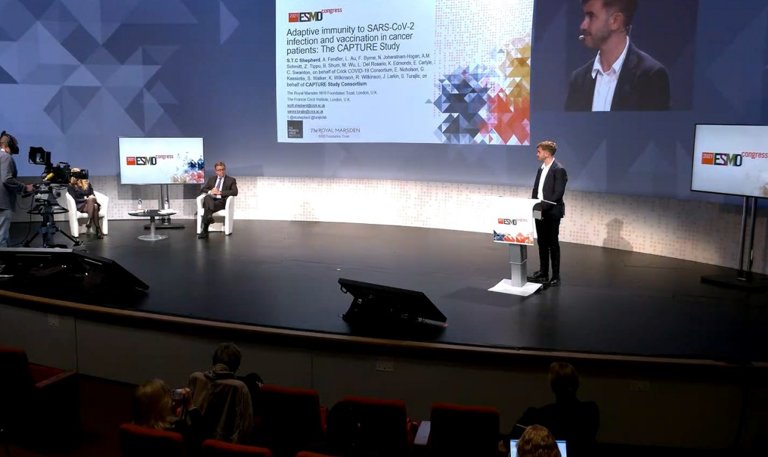
Initial delays to antibody production are followed by similar levels of vaccine efficacy after a second vaccine dose

Findings from the third ESMO Resilience Task Force survey highlight the detrimental effect of long working hours and changes to clinical routine on future career plans

Practice-changing results were also presented in bronchopulmonary and non-pancreatic NETs with somatostatin analogues and VEGFR inhibitors

Latest findings on the use of single-agent and combination immunotherapy are not conclusive, despite being promising
This site uses cookies. Some of these cookies are essential, while others help us improve your experience by providing insights into how the site is being used.
For more detailed information on the cookies we use, please check our Privacy Policy.
Necessary cookies enable core functionality. The website cannot function properly without these cookies, and you can only disable them by changing your browser preferences.