
SERD therapy demonstrates robust anti-proliferative activity in young patients with ER-positive/HER2-negative early breast cancer
Encouraging results with giredestrant support the future use of SERD-based endocrine strategies in this setting

Encouraging results with giredestrant support the future use of SERD-based endocrine strategies in this setting
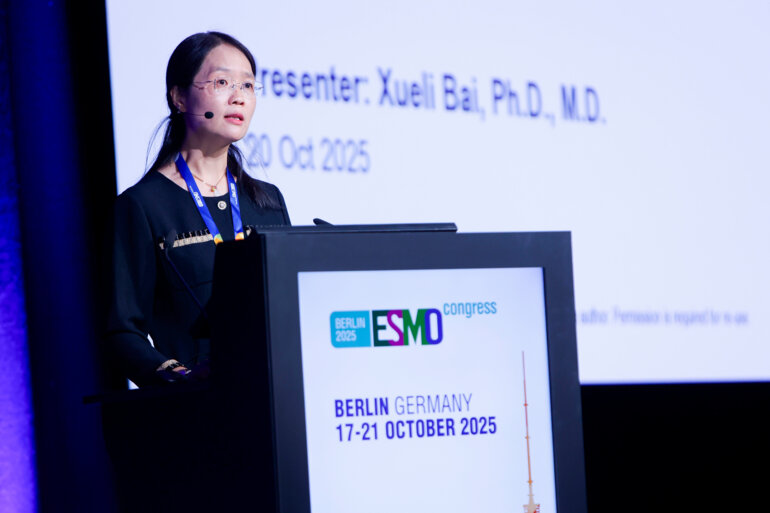
Preliminary results of NW-301V are promising, with a lack of severe adverse effects at all doses tested in patients with pancreatic cancer or colorectal cancer

Novel approaches are being tested to overcome current challenges in the use of cellular therapies such as high toxicity and a complex manufacturing process
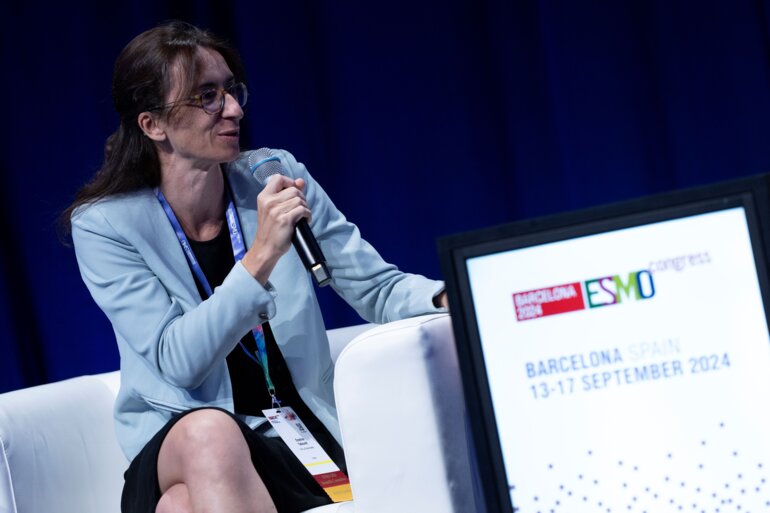
Results from early-phase studies reveal potential for a new cancer vaccine and adaptive immunotherapy

However, patients’ sexual concerns are often unaddressed in oncology, a study suggests

Research is ongoing to revisit the classic neoantigen approach that may better interpret the complexity of the immune system

ESR1 variants show to be predictive of response to fulvestrant and novel mutations have been identified

After proof of efficacy in patients with melanoma in a clinical trial, major efforts are now directed to make the use of TILs easier and safer in clinical practice.
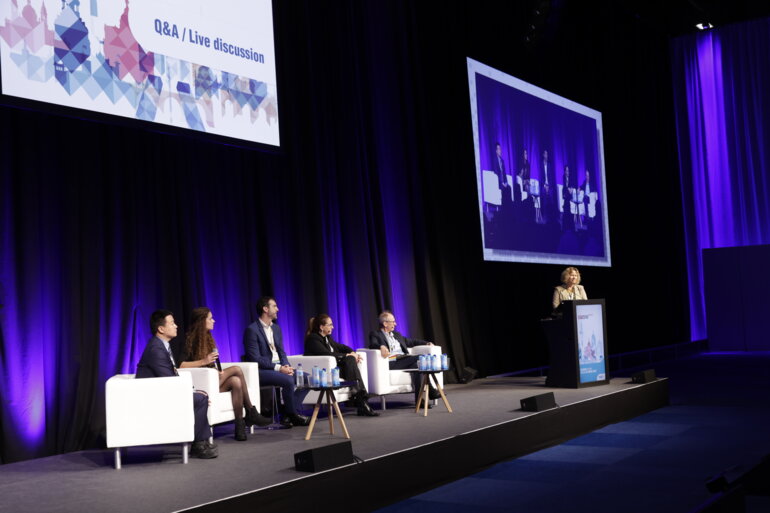
Positive signals from early-phase studies suggest that newer molecular technologies may help to disclose the promises of T-cell therapies in different settings

Antitumour responses were consistent with those previously reported for a broader population of patients with advanced melanoma
This site uses cookies. Some of these cookies are essential, while others help us improve your experience by providing insights into how the site is being used.
For more detailed information on the cookies we use, please check our Privacy Policy.
Necessary cookies enable core functionality. The website cannot function properly without these cookies, and you can only disable them by changing your browser preferences.