Early-stage HER2+ breast cancer may benefit from de-escalated treatment, but biomarkers are still required
Findings from three studies highlight that selecting patients for de-escalated treatment is still challenging
Positive preliminary data with the T-cell receptor fusion construct, gavocabtagene autoleucel
Manageable toxicity profile and signs of clinical benefit seen with gavocabtagene autoleucel in treatment-refractory mesothelin-expressing solid tumours
Two studies explore molecular divergence in gastric cancer
Genomic landscaping suggests molecular divergence between cancer subtypes and across disease stages, but molecular similarities between White and Asian populations
Women receiving immunotherapy may be at higher risk of adverse events than men
Prospective evidence from a multicentre study support the need for a more personalised immuno-oncology approach based on sex and gender differences
Bexmarilimab monotherapy shows promising anti-tumour activity in advanced solid tumours
Preliminary data indicate tolerability and disease control with bexmarilimab in hard-to-treat solid tumours
PARP inhibitor re-treatment: the future of maintenance therapy for relapsed ovarian cancer?
A significant progression-free survival improvement after re-treatment with olaparib was reported in the OReO/ENGOT Ov-38 trial
Early and relapsed TNBC is no longer so negative
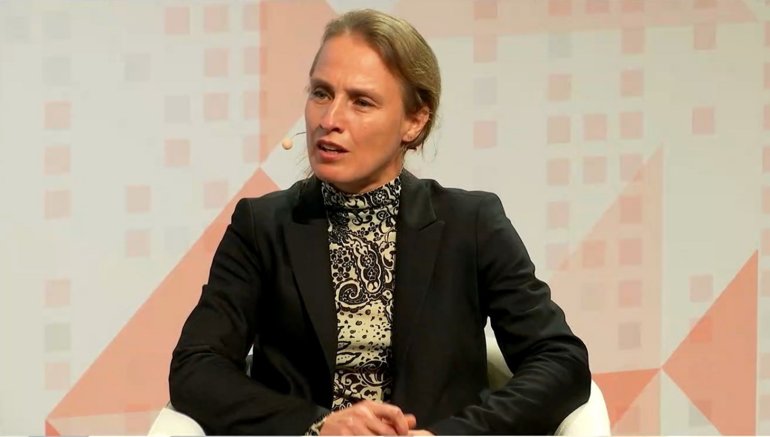
Research and treatment approaches have come a long way since triple-negative breast cancer was first recognised, but there is still progress to be made, according to Associate Prof. Rebecca Dent
What to expect from ESMO 2021?
We were hoping to be in Paris for the ESMO Congress 2021, but the event will be virtual for the second consecutive year due to the COVID-19 pandemic. However, this annual Congress will confirm that cancer research is blooming again, despite the current health crisis and its remarkable consequences on people, healthcare system, and, not the least, research
Virtual Plenary Debate, a new session not-to-be missed
Presented at the ESMO Virtual Plenaries this year, four key studies in oncology will animate the debate