Artificial intelligence is expediting the development of therapeutic immunotherapies
AI-driven approaches can help to design minibinders, which may bring new T-cell receptor-based therapies closer to the clinic
Can artificial intelligence finally unlock the full potential of cancer genomics? Discover how new digital tools are closing the gap between data and clinical action in oncology.
Computational models can overcome current limitations of 3D analysis of tumour samples
Integrating artificial intelligence into pathology routine workflows could optimise patient selection for immunotherapy
In a newly released framework paper, ESMO defines criteria for assessing and implementing AI-based biomarkers in oncology
Extensive research is focusing on the development of tools that may enhance drug development and personalised oncology in the near future
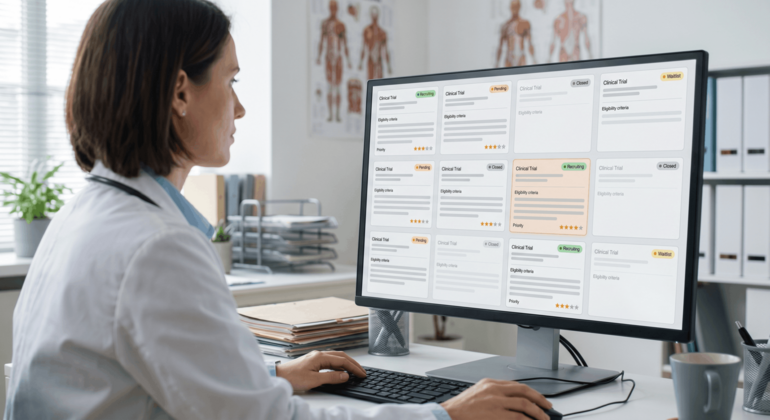
As a proof of concept, an AI-powered large language model matching platform shows promise in patient selection
While synthetic real-world data may help overcome current challenges in clinical trials, it also introduces new complexities
Findings from latest research reflect emerging opportunities in oncology to refine treatments by challenging current paradigms of care
Recent findings show digital tools have the potential to improve the monitoring of symptoms and psychological aspects, but they should be integrated within routine clinical practice
This site uses cookies. Some of these cookies are essential, while others help us improve your experience by providing insights into how the site is being used.
For more detailed information on the cookies we use, please check our Privacy Policy.
Necessary cookies enable core functionality. The website cannot function properly without these cookies, and you can only disable them by changing your browser preferences.