
AI may be key to streamline patient allocation to clinical trials
As a proof of concept, an AI-powered large language model matching platform shows promise in patient selection

As a proof of concept, an AI-powered large language model matching platform shows promise in patient selection

While synthetic real-world data may help overcome current challenges in clinical trials, it also introduces new complexities

Findings from latest research reflect emerging opportunities in oncology to refine treatments by challenging current paradigms of care

Findings from four studies provide further evidence on the potential of AI-driven pathology, imaging and multiomic data to guide clinical decision-making

Recent findings show digital tools have the potential to improve the monitoring of symptoms and psychological aspects, but they should be integrated within routine clinical practice

The ELCAP statements, developed by a group of international experts, help oncology stakeholders recognise the opportunities and the risks of these artificial intelligence systems by categorising them into three types

Study findings reveal that good thymic health, based on an AI-derived algorithm, is associated with improved survival after immunotherapy in different tumour types
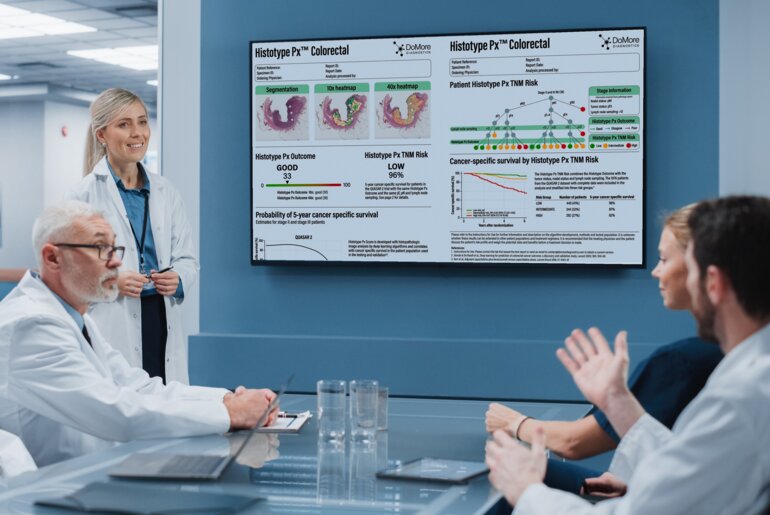
Leveraging artificial intelligence and digital pathology, oncology is entering a transformative stage where advanced image analysis and AI-driven biomarkers enable personalised cancer treatment decisions.
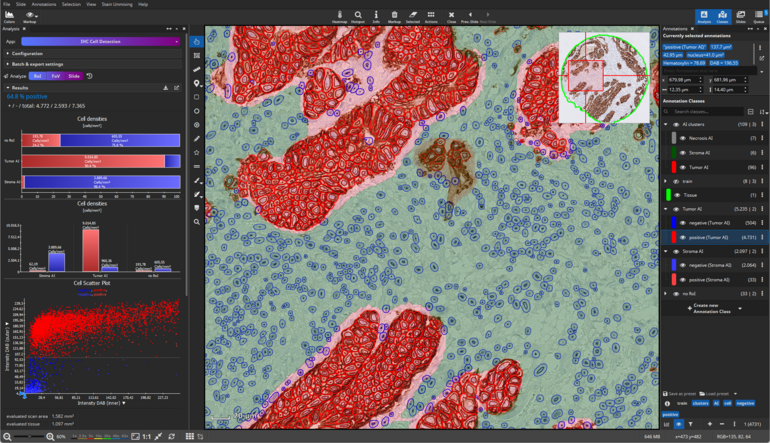
Pathology is going digital. More than 50 AIs cleared for diagnostic use are now available. This article summarises the status quo and gives an outlook of upcoming emerging technologies.

An interview with ESMO President Prof. Fabrice André underscores the importance for any medical oncologist of developing artificial intelligence literacy
This site uses cookies. Some of these cookies are essential, while others help us improve your experience by providing insights into how the site is being used.
For more detailed information on the cookies we use, please check our Privacy Policy.
Necessary cookies enable core functionality. The website cannot function properly without these cookies, and you can only disable them by changing your browser preferences.