

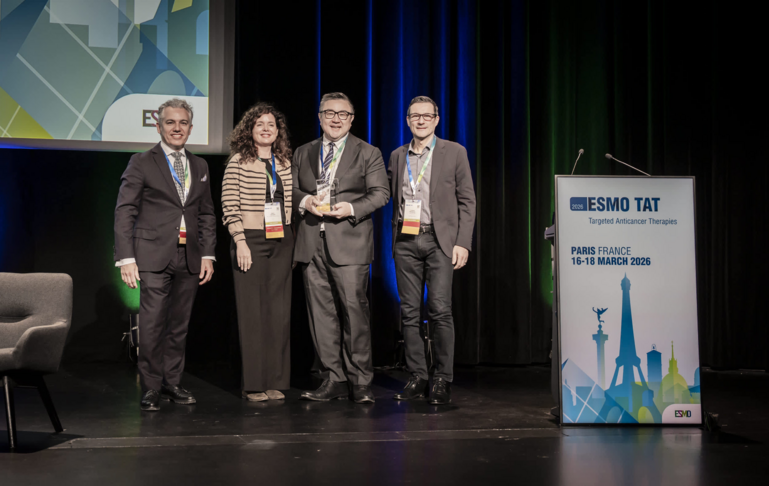
2026 ESMO TAT Honorary Awardee, Prof. Timothy A. Yap, sees a bright future ahead for novel synthetic lethal strategies, driven by advances in technology and novel biomarkers
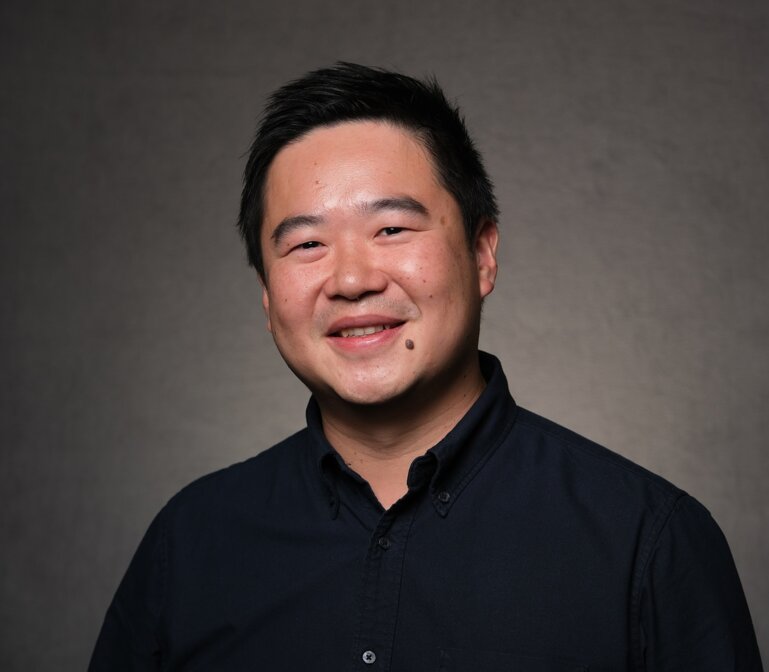
The past two decades have seen great success in precision medicine through the targeting of gain-of-function alterations in driver oncogenes. These however only make up roughly one-third of known cancer lesions, while the other two-thirds of cancer targets – including both gain-of-function and loss-of-function alterations – are currently ‘undrugged’ or without approved or effective targeted therapies. It is towards these targets that the community is turning its focus, as described in the keynote lecture given by Prof. Timothy A. Yap at the Opening Session of the ESMO Targeted Anticancer Therapies Congress 2026 (Paris, 16–18 March). Yap was presented with the 2026 ESMO TAT Honorary Award in recognition of his pivotal contribution to the advancement of targeted anticancer therapies. He is the Ransom Horne, Jr. Endowed Professor for Cancer Research at the University of Texas MD Anderson Cancer Center in Houston, Texas, USA, serves as Vice President and Head of Clinical Development in the Therapeutics Discovery Division, and is a tenured Professor in the Department for Investigational Cancer Therapeutics (Phase I Program).
What are the most promising therapeutic strategies being explored for today’s undruggable targets?
Precision medicine – once merely a pipe dream – is now a daily clinical reality. Improvements in diagnostics, speed of testing, drug development and our understanding of underlying cancer biology, together with reduced costs, are helping us to get the right drug to the right patient at the right time. Having come this far, we are now turning our attention to undrugged targets. A promising strategy is the investigation of innovative approaches to synthetic lethality, a genetic interaction in which the simultaneous loss or inhibition of two specific genes results in cell death, whereas the alteration of either gene alone allows cell survival (Nat Rev Clin Oncol. 2025;22:46–64). This principle can be applied to selectively kill cancer cells by targeting a synthetic lethal partner (e.g. with poly[ADP-ribose] polymerase [PARP] inhibitors) of a cancer-specific mutation (e.g. homologous recombination repair gene alterations), while sparing normal cells. This antitumour strategy has led to some success, for example with the regulatory approval of PARP inhibitors in tumours with mutations such as BRCA1 or BRCA2 that mandate dependency on alternative pathways for cell survival, where inhibition of these pathways can result in cell death (Nat Rev Clin Oncol. 2019;16:81–104). Strategies to exploit synthetic lethality also now go beyond targeting the DNA damage response, and include novel classes of synthetic lethal paralogs such as MTA-co-operative PRMT5 inhibitors in MTAP-loss cancers and the targeting of SMARCA4-mutated tumours with SMARCA2 inhibitors.
What are your greatest achievements in the field?
In close collaboration with many others, I have been able to help drive novel preclinical ideas into the clinic, with the goal of developing better therapeutic strategies to raise the bar in cancer medicine through rational biomarker-driven clinical and translational studies. My main research focus has been on first-in-human studies and combinatorial development of molecularly targeted agents and immunotherapies, coupled with their acceleration through clinical studies using novel predictive and pharmacodynamic biomarkers. Central to this is team science and the integration of translational studies, such as paired tumour biopsy analysis and longitudinal circulating tumour DNA studies, to enable the evaluation of laboratory findings alongside clinical trial results.
Much of my research in recent years has involved looking at novel strategies to optimise synthetic lethality, including targeting the DNA damage response in patients with molecularly selected cancers with a variety of different therapeutics (such as new generation PARP1-selective, CHK1, WEE1, PKMYT1, ALC1, ATR, POLQ, USP1, PARG, ATM and DNA-PK inhibitors) (Nat Med. 2023;29:1400–1411), as well as the use of Werner helicase inhibitors in microsatellite instability aberrant cancers (Cancer Discov. 2025;15:2213–2234). I have also been heavily involved in the development of next-generation CDK2, CDK4, CDK7-selective and KAT6/7 inhibitors, novel antibody–drug conjugates (ADCs), and new immunotherapeutic strategies, such as targeting the TGF-beta pathway, which is involved in mediating resistance to immune checkpoint inhibitors (Nat Med. 2026 Jan 13. doi: 10.1038/s41591-025-04157-w).
Moving forward, what direction do you think the field will take?
Facilitated by the extraordinary advances we have seen in technology, exceptional progress is being made with cutting-edge therapeutic approaches and artificial intelligence in unexplored synthetic lethal paralogs, as well as the development of induced proximity-based therapeutic modalities such as targeted protein degraders and molecular glues. There have also been advances in immunotherapy drug development through the use of T-cell engagers and bi-/multi-specifics, for example, which are looking very promising. In addition, ADCs continue to attract a great deal of attention, the current focus being on novel payloads, linkers and targets along with rational combinations to overcome resistance. Ultimately the aim is to expand the therapeutic window of all these approaches, both as monotherapy and in combination, and to develop better predictive biomarker assays to optimise the selection of patients who will most benefit.
Programme details
Yap TA. Drugging the undruggable through novel synthetic lethal strategies. ESMO Targeted Anticancer Therapies Congress 2026 - Keynote Lecture