
Adoptive cell therapy using TILs shows clinically meaningful and durable efficacy in advanced mucosal melanoma
Antitumour responses were consistent with those previously reported for a broader population of patients with advanced melanoma

Antitumour responses were consistent with those previously reported for a broader population of patients with advanced melanoma

Recently presented results suggest that a subset of patients with early stage rectal cancer could skip pre-operative radiotherapy, thus raising some questions about the standard of care

Regulatory, practical and economic challenges are associated with implementing this personalised treatment on a larger scale, thus currently limiting its availability and accessibility to patients
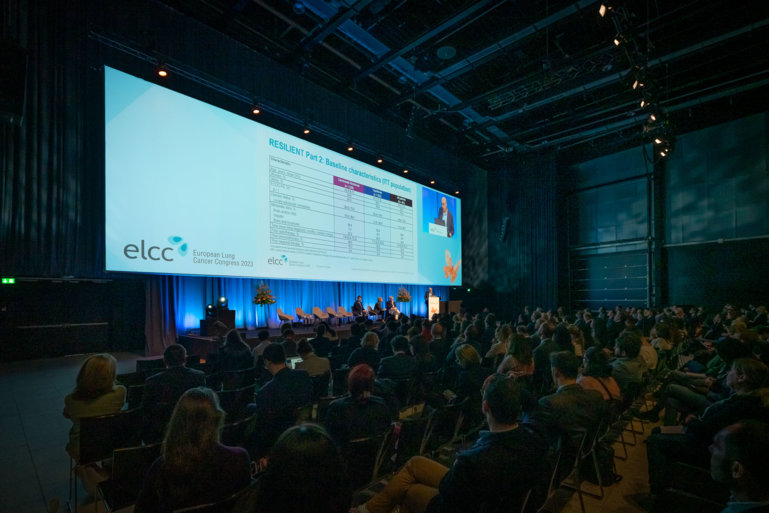
Extended analyses from two regulatory phase III trials show that the benefits of anti-PD-1-based therapy persist long term, even in patients with brain metastases

Additional exploratory analyses of the phase III CheckMate 816 trial reveal that event-free survival at 3 years is not influenced by surgical parameters and suggest that tumour inflammation may be a useful predictive biomarker

Side-effects may occur at unpredictable timepoints during a patient’s treatment journey and even after treatment cessation

Two early studies investigate the anticancer activity of derazantinib and RLY-4008 in patients with FGFR inhibitor-naïve cholangiocarcinoma

After TILs have shown benefits in advanced melanoma, many ‘synthetic biology’ strategies can be conceived to potentially extend this clinical signal to other patient groups

Findings from the TROPiCS-02 trial show an overall survival benefit of sacituzumab govitecan in heavily pre-treated patients but raise questions about its optimal clinical implementation

Since its approval, tebentafusp is changing the treatment landscape for patients with metastatic uveal melanoma, but many questions remain
This site uses cookies. Some of these cookies are essential, while others help us improve your experience by providing insights into how the site is being used.
For more detailed information on the cookies we use, please check our Privacy Policy.
Necessary cookies enable core functionality. The website cannot function properly without these cookies, and you can only disable them by changing your browser preferences.