Liquid biopsy for early cancer detection: novel approaches show promising early signals
Novel tests based on epitranscriptomics and cfCTCF-DNA nucleoproteins aim to overcome sensitivity limitations of currently available methods


Novel tests based on epitranscriptomics and cfCTCF-DNA nucleoproteins aim to overcome sensitivity limitations of currently available methods

Emerging molecular and spatial approaches are providing new insights into osteosarcoma and identifying potential targets for future therapies

Growing experience suggests that artificial intelligence could potentially transform how cancer research is designed and conducted

Real-world findings show moderate-to-high concordance between AI-generated and human experts decisions

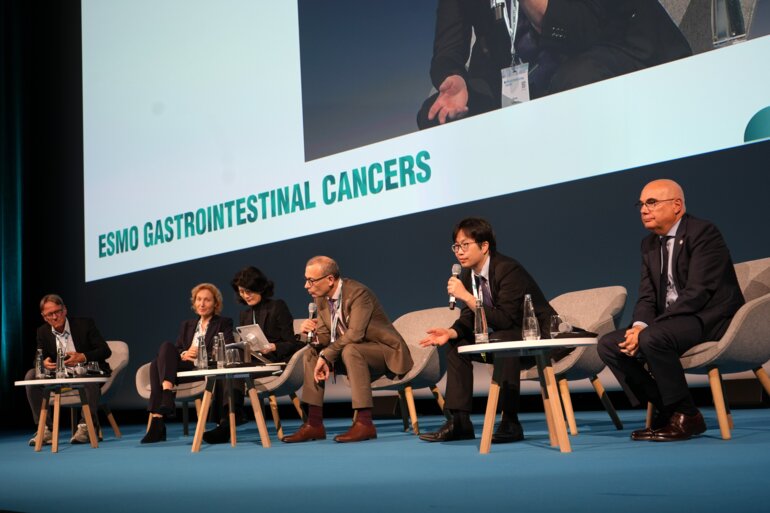
Experts' discussions during the ESMO Gastrointestinal Cancers Congress 2026 explored how AI is moving beyond image recognition to support surgery, pathology and image-guided intervention.

Direct identification of specific tumour-derived HLA-bound peptide targets is enabling the development of personalised immunotherapy strategies

ADCs are transforming the management of patients with GI cancers, but novel targets and combination strategies will be required to address resistance development and optimise patient outcomes
New study findings provide support for the use of ctDNA to predict survival benefits and personalise treatments
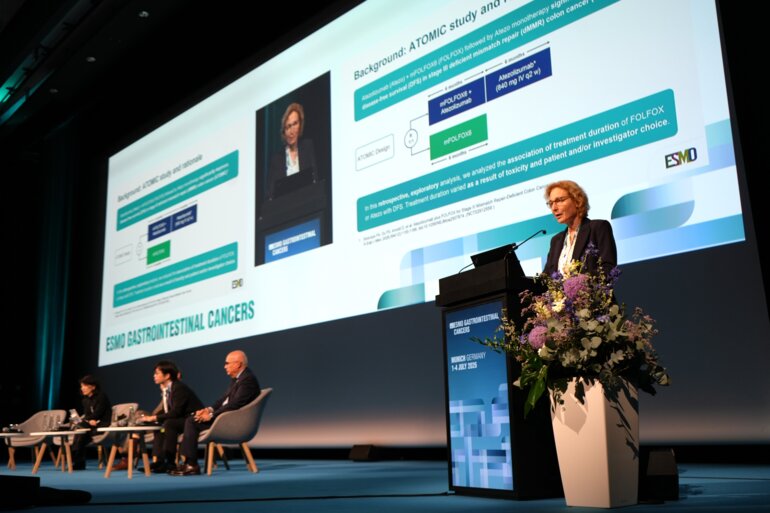
An ATOMIC study pre-planned exploratory analysis reports no DFS benefit with the addition of immunotherapy in patients receiving fewer than six cycles of chemotherapy
The phase III KRYSTAL-10 trial did not meet its co-primary survival endpoints
This site uses cookies. Some of these cookies are essential, while others help us improve your experience by providing insights into how the site is being used.
For more detailed information on the cookies we use, please check our Privacy Policy.
Necessary cookies enable core functionality. The website cannot function properly without these cookies, and you can only disable them by changing your browser preferences.