

The effect of ‘publish or perish’ on young academic oncologists
Oncologists at an early stage in their career may fall into the trap of predatory journals whilst seeking to publish their research
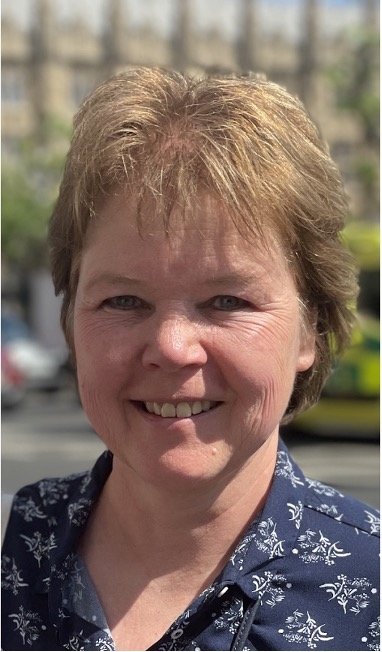
Enhanced patient participation in trials may help make cancer research more heterogeneous
In the Patient Advocacy Track, the importance and challenges around placing the patient at the centre of clinical trials

Recent advances fuelled by translational research reflect a greater focus on patients’ quality of life
The advent of PARP inhibitors, an increased use of laparoscopy for patient selection and a more prominent role of PROs have been facilitated by international collaborations

The future of personalised risk-stratified breast cancer screening
Will widespread screening for breast cancer based on individual risk mean the end of the one-size-fits-all standard mammogram?

Optimising adjuvant treatment in HR+/HER2-negative early breast cancer
Gene-expression assays have produced a huge step forward in identifying patients who are likely to benefit from adjuvant chemotherapy but there is still a long way to go in the more specific targeting of treatment

Assessing pathological response after neoadjuvant treatment for NSCLC
Much progress has been made in the standardisation of pathological response but optimising viable tumour cutoffs for predicting long-term outcome after different treatment modalities and by histological type remain key areas for investigation

How long should we give immunotherapy for?
The length of immunotherapy course for metastatic lung cancer was arbitrarily set at 2 years in clinical trials, but definitive studies investigating the optimum duration against the risk-benefit profile are lacking

How can we continue to improve outcomes for our patients with lung cancer?
Advances made in the treatment of advanced lung cancer are now being introduced at earlier stages of disease

COVID-19 vaccination is key to restoring early-phase anticancer drug development
Vaccination among cancer patients should not affect their participation in clinical trials and levels of acceptance of the vaccine are high

Will antibody–drug conjugates be a replacement for chemotherapy in the future?
Over the last decade, much progress has been made in developing a range of antibody–drug conjugates to treat breast cancer, with the construction of bespoke agents for individual patients and exciting prospect for the future