

Early findings suggest potential benefits in symptom monitoring, but highlight usability challenges and added burden on clinical workflows
Digital tools offer new opportunities for the early detection and management of treatment-related toxicities during systemic cancer therapy, potentially contributing to improved physical functioning, better quality of life, and fewer hospitalisations (JCO Oncol Pract. 2022 Jun;18(6):e896-e906).
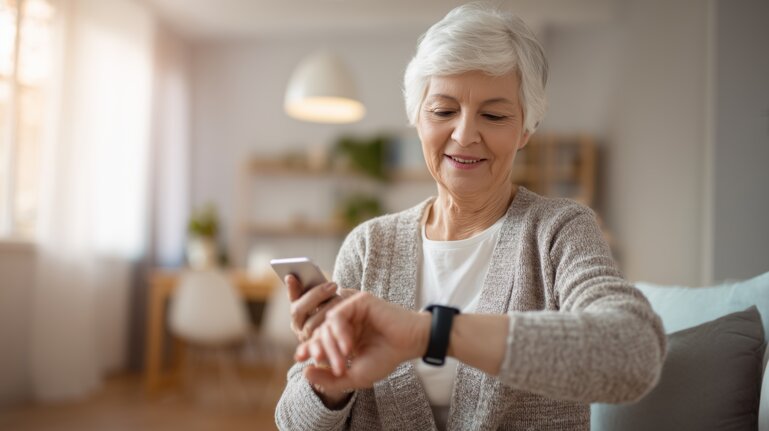
While these technologies can support patients throughout their journey and help clinicians fine-tune care, their integration into real-world settings presents several challenges, including digital inequities and added burden on healthcare professionals. These preliminary observations come from a U.S. research team that investigated whether digitally enabled continuous activity monitoring (CAM), combined with AI, could streamline symptom monitoring and reduce the need for acute care services in patients with gastrointestinal, lung, or head and neck cancers undergoing chemoradiotherapy (CRT) (ESMO Real World Data and Digital Oncology, 2026; 11).
In the CAM 2.0 study, 73 patients were randomly assigned to receive either a commercially available activity tracker (n=37) or the same tracker combined with an AI-powered chatbot (n=36). When medical issues arose or were reported by patients, those in the first group were referred to a nurse-led triage, whereas patients in the second group were triaged by “Penny,” a natural language processing chatbot providing support via text messages.
Early findings indicate that patients in the intervention group experienced difficulties using the AI-powered chatbot, leading to a significant withdrawal rate of 22%. Some patients requested direct contact with a member of their care team, even when their concerns had already been addressed through the digital triage process. These challenges appear to have affected clinical workflows, introducing additional and unexpected tasks, helping patients navigate the chatbot and verifying the accuracy of flagged alerts.
Although data on the primary outcome (i.e. two fewer in-person triage visits in the intervention group compared to the control group) and secondary outcomes (including treatment breaks, emergency department visits, hospitalisations, and staff burden) are still being analysed, the researchers’ perspective, recently published in ESMO Real World and Digital Oncology, underscores the importance of co-developing digital interventions with patients and carefully addressing the implications of the digital divide.
As the number of digitally assisted, patient-centred support tools as part of routine cancer care continues to grow, addressing these challenges will be key to shaping the future of digital oncology, as noted by Rodrigo Dienstmann, working at Oncoclínicas & Co, Brazil, and the Vall d’Hebron Institute of Oncology, Spain, and Editor-in-Chief of the ESMO peer-reviewed journal: “While AI can enhance symptom surveillance during chemoradiotherapy, its clinical impact will depend on implementation – i.e. how alerts are operationalised, how responsibilities are distributed across care teams, and whether the model improves access without compromising the human aspects of cancer care.”