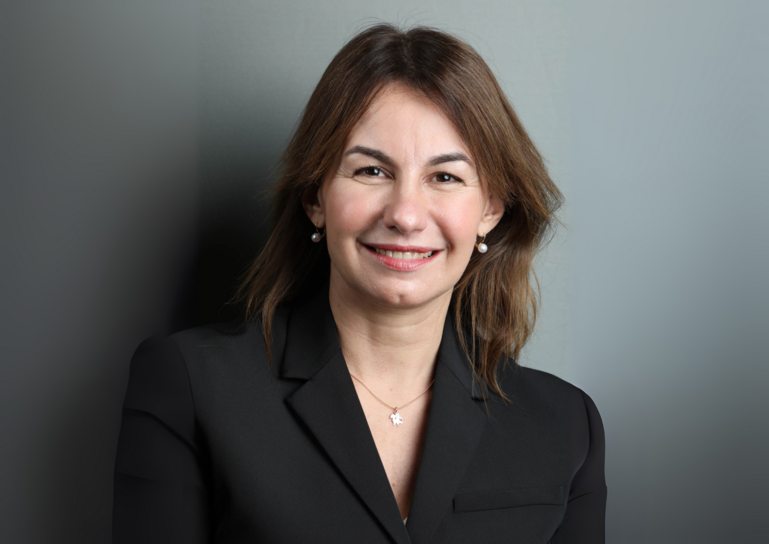

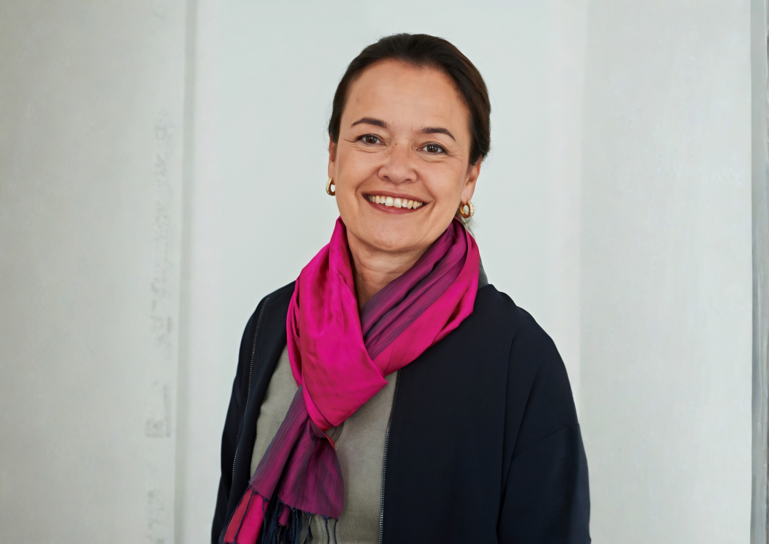
At a senior stage of her career in oncology, Prof. Martine Piccart remains deeply committed in supporting young oncologists in cancer research
In this new episode of ‘Diary of an oncology leader’, a video series produced under the ESMO Women for Oncology (W4O) initiative to inspire and empower the next generation of professionals, Prof. Jarushka Naidoo, Beaumont RCSI Cancer Centre, Dublin, Ireland, and member of the W4O Committee, dialogues with Martine Piccart, Professor of Oncology at the Université Libre de Bruxelles (ULB) and Scientific Director at the Jules Bordet Cancer Institute, Brussels, Belgium.
What do you find is the most satisfying aspect of your work?
What has been very valuable is finding a balance between clinical care and protected time for research. I believe this balance helps oncology professionals maintain perspective and optimism, and allows them to pass this optimism on to their patients.
What are the specific barriers that you observe, or perhaps you personally encountered, in an oncology career?
I was lucky to join the European Organisation for Research and Treatment of Cancer (EORTC) very early in my career. While I was busy with academic research, my frustration was related to the fragmentation of research in Europe and the duplication of efforts. This is why I decided, together with my close friend and colleague, the late Aron Goldhirsch, to create the umbrella organisation Breast International Group (BIG) . Now that I am older the frustration remains, although it has changed. Today, it mainly comes from the fact that academic research is losing ground very rapidly.
I see that younger generations of oncologists quickly understand the importance of academic research. So, it is not difficult to get them involved, but the risk is that, at a very early stage, they may realise how much effort is needed to achieve something concrete. One possible solution is to reinforce international collaboration.
We need to design research studies that lead to clear answers. Given the difficulty to find support at a national level, the only way forward is to work together, ultimately building collaborations grounded in friendships.
What do you think are some of the barriers at a senior stage of a career, and how can they be overcome?
One of the main barriers is becoming increasingly overwhelmed by administrative responsibilities and meetings. The challenge is to protect time for reflection on what is really important for better treating patients with cancer. There are specific barriers at every stage of a career, but at the end of the day they can be overcome by stepping back from routine work and asking oneself: how can I contribute in a way that meaningfully impacts how patients are diagnosed, treated, and followed?
What are your plans or goals for the next few years?
My big worry is that academic research is losing ground. What I would like to do in the next two or three years, is to help the younger generation understand how important it is, and to support them in achieving meaningful goals in that area.