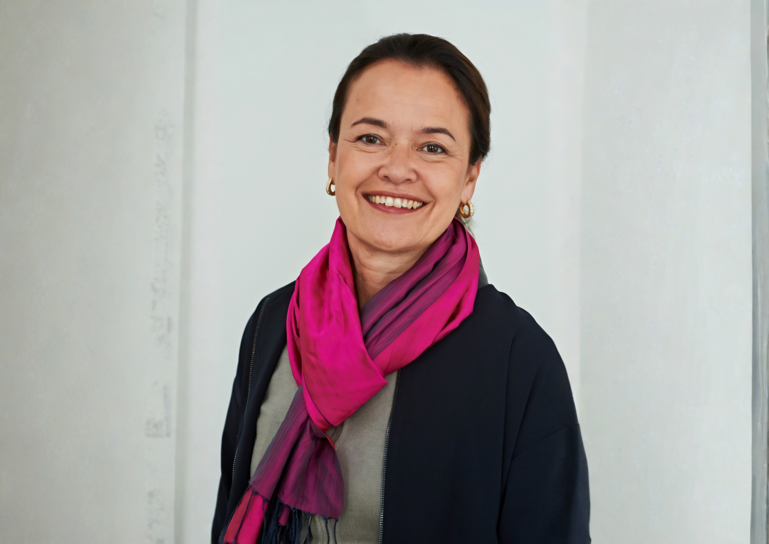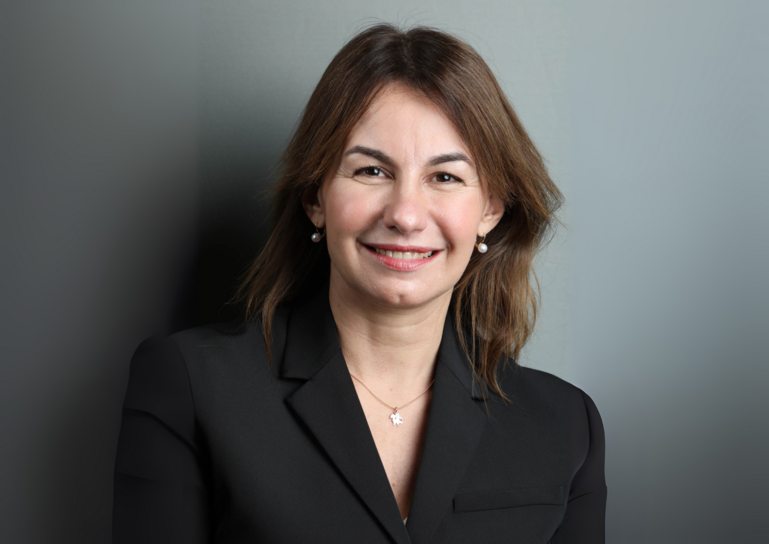

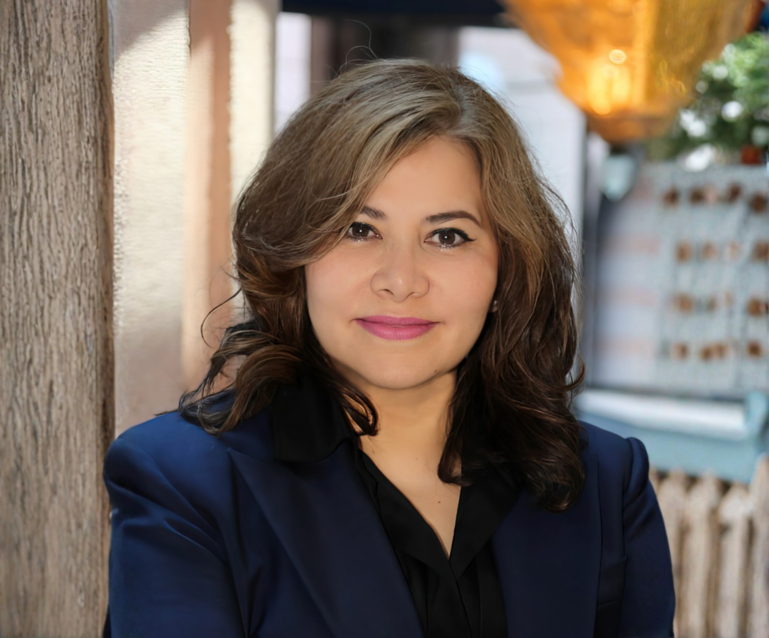
Becoming a gastrointestinal oncologist was unplanned, but Prof. Erika Ruiz is today glad of having built a rewarding career
In this new episode of ‘Diary of an oncology leader’, a video series produced under the ESMO Women for Oncology (W4O) initiative to inspire and empower the next generation of professionals, Prof. Jarushka Naidoo, Beaumont RCSI Cancer Centre, Dublin, Ireland, and member of the W4O Committee, dialogues with Erika Ruiz, Professor at the Department of Gastrointestinal Medical Oncology and Chief of the Translational Medicine Laboratory, Instituto Nacional de Cancerologia, Mexico City, Mexico.
What is the most satisfying aspect about your work?
Working in medical oncology is quite difficult because you face death every day. I remember my grandmother advising me that you cannot cure all people, but if you can be somehow empathetic with them, if you can listen to them, they will feel supported even when they know they are not going to be cured. So, I try to show empathy to my patients.
Being part of the change in oncology is also very important to me and my team. We acknowledge that there are particular limitations when working in a resource-constrained setting. My team and I strongly believe that by sharing our clinical and research experience with countries that have greater resources than us, and by showing different aspects of cancer care, we can make a valuable contribution to the global oncology community.
I am the chief academic officer at my institution, so I am in a position of mentoring and supporting students. I always tell them: “You will need to knock on many doors to find an opportunity. Some will never open, but maybe one or two will. So, you must be prepared, and stay trustworthy and confident.”
Who has mostly supported you in your career?
Looking back at my life, there has not been just one person influencing my career. Having strong family ties has been the greatest source of support: my mother and brothers are always there. Also, some patients have also supported me. When I was a second-year resident, I remember that I was so tired at 3 a.m. that a patient told me: “Hey, why don't you sit here next to me on my bed?”. When I woke up, I saw that the patient had put a blanket on me. It is so rewarding to see that patients support physicians, because we are always uncertain about how they perceive us.
Finally, I have had many very nice colleagues helping me. One of them was Prof. Fabrice André, the current ESMO President, who gave me the opportunity to receive a fellowship outside Mexico. Working at the Institute Gustave Roussy, in France, was a great opportunity for me not just from an academic perspective, but also for learning more about European traditions and French lifestyle. Similarly, I went to the Memorial Sloan Kettering, in New York, thanks to Dr Luis Diaz. I feel very lucky now to be familiar with both the European and the American approaches to treating patients. That has helped me to do a better job in Mexico, and now I encourage my fellows to find opportunities abroad.
Have you ever been in a position to take a particularly difficult decision in your career?
After my fellowship in breast cancer at the Institute Gustave Roussy ended, I returned to Mexico, and I was offered a position at Instituto Nacional de Cancerología. However, it was in the gastrointestinal cancer department, and accepting it was a very tough decision. Since fewer advances had been made in the field compared to breast cancer for the Mexican patient population, I saw that offer as an exciting opportunity to be part of meaningful change in gastrointestinal cancer care. After 15 years of being a gastrointestinal oncologist, I am glad I took that difficult decision.