
Why clinical practice guidelines matter even more in rare cancers
A recent EURACAN survey highlights a high uptake of recommendations from medical oncologists, potentially leading to improved patients’ survival

A recent EURACAN survey highlights a high uptake of recommendations from medical oncologists, potentially leading to improved patients’ survival

The updated Antineoplastic Medicine Survey (ANMS) dataset shows that essential therapies remain out of reach for patients in most low and lower middle-income countries despite international efforts

The latest tumour types covered in the ESMO PAGAs are biliary tract cancers, oncogene-addicted metastatic non-small cell lung cancer and epithelial ovarian cancer

Long-term multisectoral preventive actions that take into account local requirements are needed

ESMO is advocating for secondary and tertiary care levels to be included into international agreements and WHO’s documents to respond to pandemics

In the period 2024-2026, the technical collaboration between the United Nations agency and the Society plans a series of evidence-based activities to improve global cancer care

The two Pan-Asian Guideline Adaptations of parental ESMO Clinical Practice Guidelines reflect the younger age of disease occurrence and lack of some treatment data in Asia

Collaboration is needed to advocate for resilient healthcare systems that can navigate crises and deliver high-quality care to patients with cancer, even in the most trying circumstances

Recent findings regarding the role of tumour promoters in cancer development should lead to a review of the mechanisms of action of existing environmental carcinogens
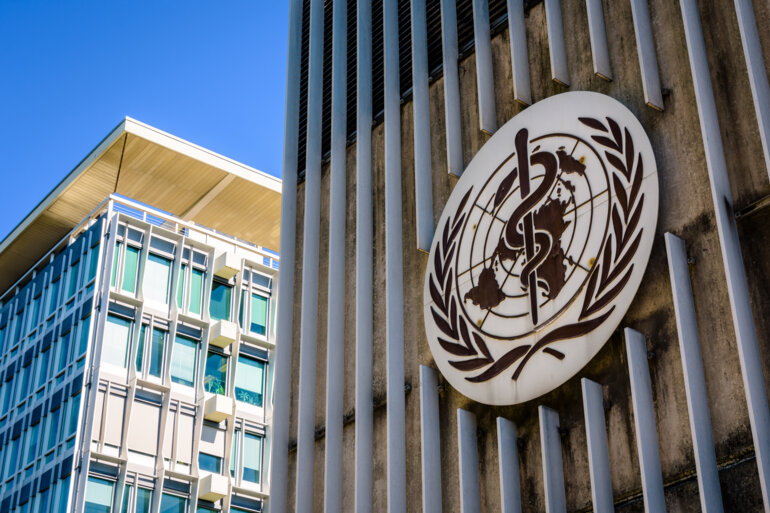
Dr Raffaella Casolino is the third ESMO young medical oncologist serving as a cancer expert on the WHO Cancer Control team
This site uses cookies. Some of these cookies are essential, while others help us improve your experience by providing insights into how the site is being used.
For more detailed information on the cookies we use, please check our Privacy Policy.
Necessary cookies enable core functionality. The website cannot function properly without these cookies, and you can only disable them by changing your browser preferences.